Wheaton |
St. Charles |
Sycamore
 630-665-7300



- Home
- Our Firm
- Our Team
- George S. Frederick
- Lynn M. Mirabella
- Henry D. Kass
- Lindsay C. Stella
- Joshua D. Bedwell
- Stacey A. McCullough
- John W. Demling
- Megan C. Harris
- Kira N. Albrecht
- Jacqueline M. Mazur
- Bradley P. Erdman
- Catherine D. Sheehan
- Michael J. Rutcosky
- Jessica L. McGary
- Chad A. Baker
- Naseem N. Hosseini
- Lacey K. Boulware
- Lindsey G. Mirabella
- Amanda J. Werve
- Jordan E. Jenquin
- Matthew P. Karstens
- Maxwell J. Sharkey
- Joseph Mirabella
- John Kincaid
- Practice Areas
- Testimonials
- Media
- Blog
- Contact Us
6 Common Myths About Workplace Sexual Harassment
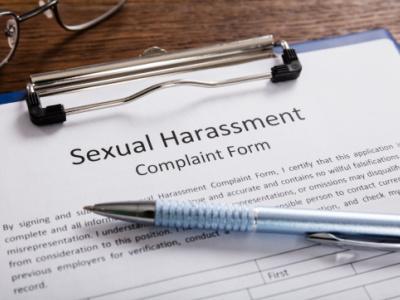
Workplace sexual harassment is a familiar topic. Unfortunately, there are still some common misconceptions about the forms it takes and who can be affected by it. These misunderstandings negatively impact victims of workplace harassment.
Clearing up these myths helps employees understand their rights. It can also help employers prevent problems before they start. If you have questions about potential harassment at work in 2026, a DuPage County, IL sexual harassment attorney can help you understand your options.
Does Harassment Have to Be Physical to Be Considered Sexual?
Sexual Harassment does not have to involve physical contact to be considered unlawful. This idea keeps many employees from understanding that they may actually have a sexual harassment claim.
Under Title VII of the Civil Rights Act of 1964 (42 U.S.C. § 2000e) and the Illinois Human Rights Act (775 ILCS 5/), sexual harassment includes a wide range of conduct. Employers and employees are responsible for keeping a work environment from becoming hostile. Creating a hostile environment can mean:
- Sexually offensive jokes
- Sexual comments
- Repeated unwanted advances
- Sharing explicit sexual images
Sexual harassment is based on whether the conduct was unwelcome and pervasive enough to affect the work environment. It does not always imply physical touch.
Who Can Be a Victim of Workplace Sexual Harassment in Illinois?
Anyone can be a victim of workplace sexual harassment, regardless of gender or position. Sexual harassment can occur between people of the same sex or opposite sexes. The US Supreme Court has previously confirmed that sexual harassment between people of the same sex is still covered by the law.
This harmful myth can discourage men in particular (or anyone who doesn't fit the stereotype of a "typical victim") from coming forward.
Does Employment Position Matter?
Sexual harassment is not limited to conduct by a workplace superior. Sexual harassment by a supervisor can carry specific legal consequences. The law also covers sexual harassment by coworkers, and even by non-employees like clients or vendors in some cases.
Employers can be held liable for several different situations involving sexual harassment:
- An employer may be liable for coworker sexual harassment if they knew or should have known about the conduct and failed to act.
- Third-party sexual harassment, such as from a customer, can create employer liability when the employer fails to address a known problem.
- Supervisor sexual harassment can result in strict liability, especially if it’s followed by termination, demotion, or other job consequences for the harassed employee.
Employers are responsible for maintaining a tolerable environment for all their employees.
Will Reporting Harassment Get Me Fired or Punished in Illinois?
Reporting sexual harassment in good faith is legally protected in Illinois. An employer is not allowed to punish you for it. Retaliation, which includes firing, demotion, cut hours, or other adverse actions taken because you complained, is illegal.
Retaliation claims are among the most common employment claims filed. If you report sexual harassment and then face a sudden negative change at work, you may have a separate retaliation claim. This protection exists so workers can safely report misconduct without risking punishment.
If I Don’t Report Sexual Harassment Immediately Will I Lose My Right to Do So?
You don't lose your right to report if you don’t report immediately. However, waiting too long can create problems for a claim.
In Illinois, you generally have a 300-day window from the date of the incident to file a charge with the Equal Employment Opportunity Commission. You typically have two years to file with the Illinois Department of Human Rights. Speak to a lawyer if you’re not sure which agency your claim should go through.
Reporting through your employer's internal process is also important. This puts the company on notice and creates a paper trail that can strengthen your case later. Documenting what happened, including dates, witnesses, and written communications, protects you whether you report right away or need time to decide how to proceed.
Are Small Companies Exempt From Sexual Harassment Laws in Illinois?
Some federal rules apply based on employer size, but small companies are not exempt from sexual harassment laws in Illinois. This myth leaves many workers at small businesses believing they have no protection at all.
Title VII generally applies to employers with 15 or more employees. The Illinois Human Rights Act, however, protects employees regardless of how small the employer is. The size of your employer may change which law applies and where you file, but this does not mean you don’t have a claim.
Call a Wheaton, IL Sexual Harassment Attorney Today
Sexual harassment can seriously impede your ability to be effective at your workplace. At MKFM Law, we will help you understand whether state or federal laws apply to your specific case and what to do next. Our DuPage County, IL sexual harassment lawyers serve clients throughout Illinois from our offices located in Kane, DuPage, and DeKalb Counties. Call Mirabella, Kincaid, Frederick & Mirabella, LLC at 630-665-7300 today to get started.
 Read More
Serving DuPage, Kane, Kendall, Will, Cook, and Lake Counties Since 1949
For guidance with your case, contact our attorneys at 630-665-7300. We will answer your questions, explain the process relevant to your case, and advise how best to proceed. Our firm has locations in Wheaton and St. Charles, Illinois, and we work with clients throughout the Chicagoland area, including, DuPage, Kane, Kendall and Will Counties.
Looking for something specific?
Search our site here.


From our law offices in Wheaton, St. Charles, and Sycamore, the family law and civil litigation law attorneys of Mirabella, Kincaid, Frederick & Mirabella, LLC represent businesses and individual clients throughout the western suburbs of Chicago, including Wheaton, Naperville, Oak Brook, Oakbrook Terrace, Glen Ellyn, Carol Stream, Lombard, Downers Grove, Burr Ridge, Hinsdale, Lisle, Elmhurst, Winfield, Woodridge, Warrenville, and throughout DuPage County. We also serve clients in Will County, Kendall County, DeKalb County, and Kane County, including St. Charles, Sugar Grove, Geneva, DeKalb, Batavia, Aurora, North Aurora, Elgin, Algonquin, Barrington Hills, Bartlett, Big Rock, Burlington, Campton Hills, Carpentersville, West Dundee, East Dundee, Elburn, Hampshire, Huntley, Kaneville, Maple Park, Sleepy Hollow, and Wayne.
Results listed are not a guarantee or indication of future case results.
1737 South Naperville Road, Suite 100, Wheaton, IL 60189
630-665-7300